
 en
en




MÁLAGA DECLARED EUROPEAN CAPITAL OF GASTRONOMIC CULTURE
Málaga has done it again.
The city on the Costa del Sol has been named European Capital of Gastronomic Culture for 2026/2027—an accolade that confirms what many visitors and food lovers have long known: here, food is not a detail, but an essential part of daily life.
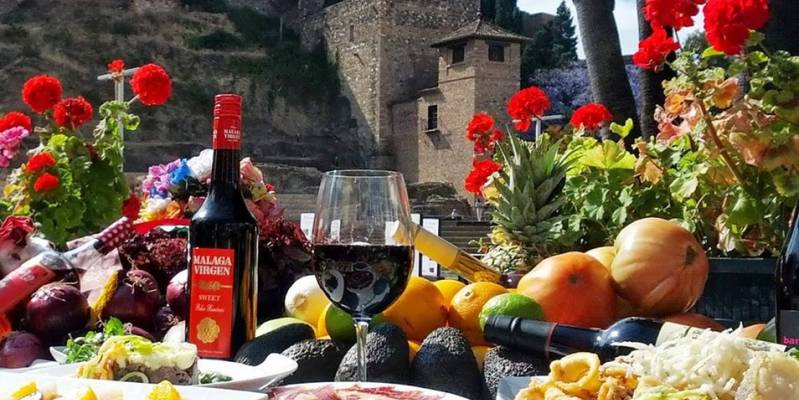
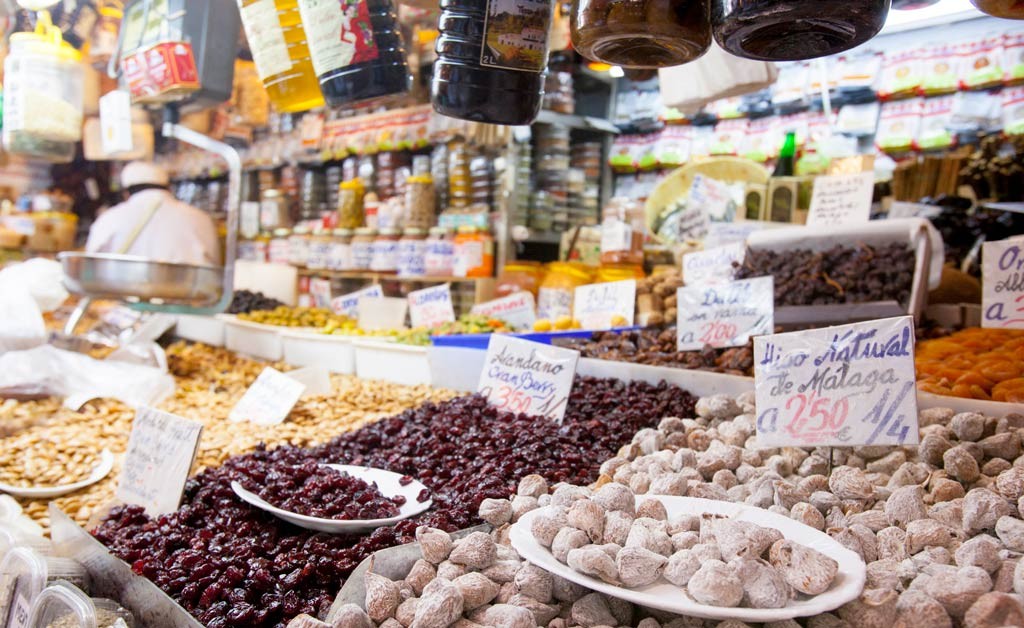
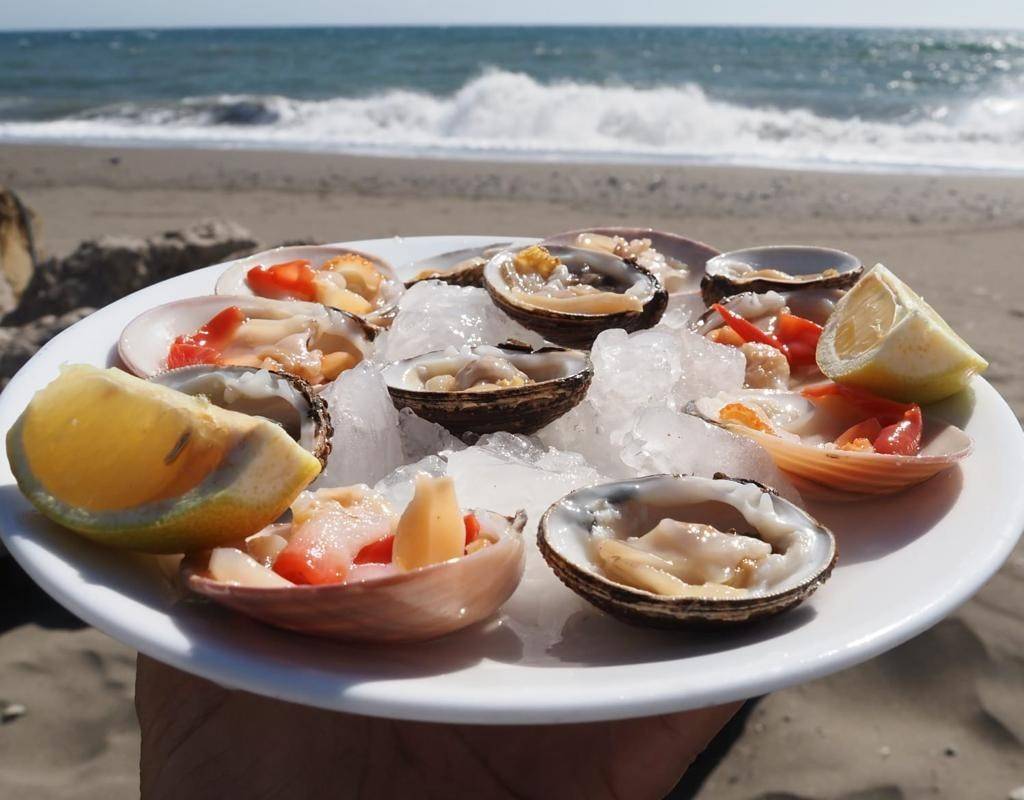
The culinary soul of Málaga does not begin in Michelin-starred restaurants, but in its markets. Think of vibrant places such as the Mercado de Atarazanas, where stalls overflow with freshly caught fish, seasonal vegetables, olive oil, and local specialties. The city’s cuisine has always revolved around simplicity, pure flavors, and respect for ingredients. Classics such as espetos (grilled sardines by the sea) or ajoblanco show just how powerful that simplicity can be.
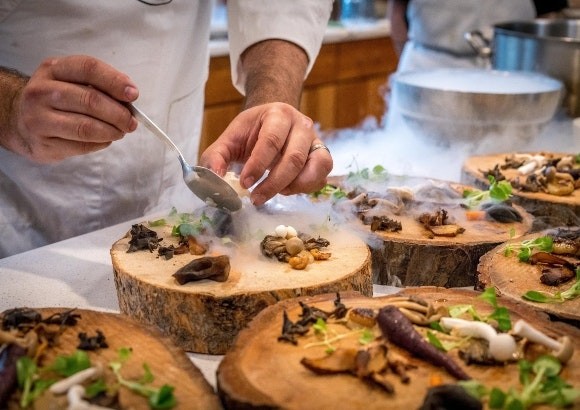
Yet Málaga does not live in the past. On the contrary, the city is bursting with innovation. Traditional recipes are being reinvented, and a new generation of chefs is experimenting with techniques and external influences without losing sight of local identity. According to culinary coverage in outlets such as El País and specialized food media, Málaga is emerging as one of the most dynamic gastronomic hotspots in Southern Europe. This balance between tradition and innovation makes the city surprising, even for those who believe they already know Spanish cuisine well.
The title comes from a European network that looks beyond what is on the plate. Málaga has been praised for supporting local producers, promoting sustainability, offering culinary training, and developing a rapidly growing calendar of gastronomic events. The rise of food tourism also plays a key role, with more and more travelers coming here specifically for the cuisine.
Equally important is the way food is experienced here. Long lunches, lively terraces, and conversations that continue long after the plates are empty—all are part of the city’s rhythm. This relaxed food culture cannot be planned or forced; it comes naturally and immediately impresses visitors.
In the coming years, Málaga will embrace this role even more strongly. Numerous festivals, tastings, and culinary routes are planned, inviting both locals and visitors to explore the city’s gastronomic story. This goes beyond the well-known classics, highlighting hidden gems, innovative concepts, and local products gaining increasing international recognition.
What Málaga has achieved today is not the result of sudden change, but of a gradual and thoughtful evolution. By preserving its traditions while embracing innovation, the city has firmly secured its place on the culinary map.
For anyone who loves good food, the conclusion is clear: Málaga is much more than sun and beach. It is a destination where gastronomy has become just as important as the landscape itself.
Image gallery
Share